
How to Avoid Overtrading in Forex Trading
Overtrading rarely starts as a deliberate habit.
It usually builds gradually. One trade leads to another, then another, until the pace picks up without much thought. At first, it feels productive. There’s activity, engagement, and a sense of being involved in the market.
But after a while, something changes. Decisions begin to feel rushed. Trades are taken closer together. And it becomes harder to explain why each position was opened in the first place.
In Forex trading, this is often where clarity starts to fade.
Recognise the signs before they build up
Overtrading doesn’t always feel obvious while it’s happening.
It tends to appear through small behaviours that seem harmless on their own, but together they create a pattern. Being aware of these early signs makes it easier to step back before things become overwhelming.
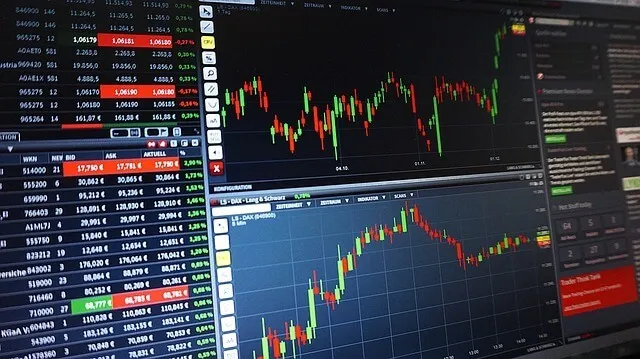
Image Source: Pixabay
Some of the more common patterns include:
- Entering trades without a clearly defined reason
- Reacting to minor price movements that don’t change the overall direction
- Feeling uncomfortable when not in a trade
- Opening new positions shortly after closing another
- Increasing activity after a loss to “recover” quickly
None of these actions are unusual.
In fact, most traders experience them at some point. The difference comes from recognising when they begin to repeat. Once that awareness is there, it becomes easier to slow things down.
For traders in Brazil, this recognition often marks a turning point. Forex trading starts to feel less reactive and more controlled.
Introduce simple limits to slow things down
Reducing overtrading does not require strict rules.
Sometimes, small limits are enough to create awareness. These limits are not meant to restrict trading completely, but to create a pause between decisions.
For example:
- Deciding on a maximum number of trades per day or session
- Taking a break after a certain number of trades
- Avoiding immediate re-entry after closing a position
- Setting specific times to review the market instead of checking constantly
These adjustments are simple, but they change the pace.
Instead of moving from one trade to another without thinking, there is a moment to reflect. That pause often prevents unnecessary trades.
In Forex trading, fewer trades with clearer reasoning tend to provide more useful feedback than a high number of rushed decisions.
Accept that not every movement matters
Markets are always moving.
At the beginning, it can feel like every movement presents an opportunity. This creates a constant urge to participate, even when conditions are not clear.
But most movements are just part of normal market activity.
They don’t always lead to meaningful setups. Learning to recognise this takes time, but it becomes easier with observation.
Instead of reacting to every change, it helps to ask a simple question: does this movement actually meet the conditions I usually look for?
If the answer is unclear, doing nothing is often the better option.
For many traders in Brazil, this shift takes a while to develop. But once it does, Forex trading becomes less about constant action and more about selective participation.
Replace activity with observation
One of the reasons overtrading happens is the need to feel active.
When nothing is happening, it can feel unproductive. This often leads to entering trades just to stay involved.
A more effective approach is to replace that need for action with observation.
Watching how price behaves without entering a trade can be just as valuable. It allows patterns to become more familiar without the pressure of managing a position.
Over time, this builds confidence in waiting.
In Forex trading, this balance between observation and action often leads to better timing and more controlled decisions.
Understand what triggers overtrading
Overtrading is not only about strategy.
It is also influenced by emotion.
Certain situations tend to increase trading activity, such as:
- After a losing trade, wanting to recover quickly
- After a winning trade, feeling more confident than usual
- During fast market movement, feeling like opportunities are being missed
Recognising these triggers helps create distance from them.
Instead of reacting immediately, it becomes possible to pause and reassess whether a trade is actually needed.
Let patience become part of the process
Avoiding overtrading is not about trading less for the sake of it.
It’s about trading with more intention.
This usually develops gradually. At first, waiting can feel uncomfortable. There’s a sense that something is being missed. But over time, that feeling changes.
Patience starts to feel like part of the process rather than something that needs to be forced.
For traders in Brazil, this often becomes one of the more noticeable shifts. Forex trading begins to feel less rushed, and decisions become more deliberate.
And once that happens, overtrading naturally begins to reduce.

Comments